Perrybotics 2025: High Stakes
Led mechanical design and fabrication of a compact VEX robot, refining the drivetrain and mechanisms through three major iterations and removing 1.5 lb from the build.
What I was building
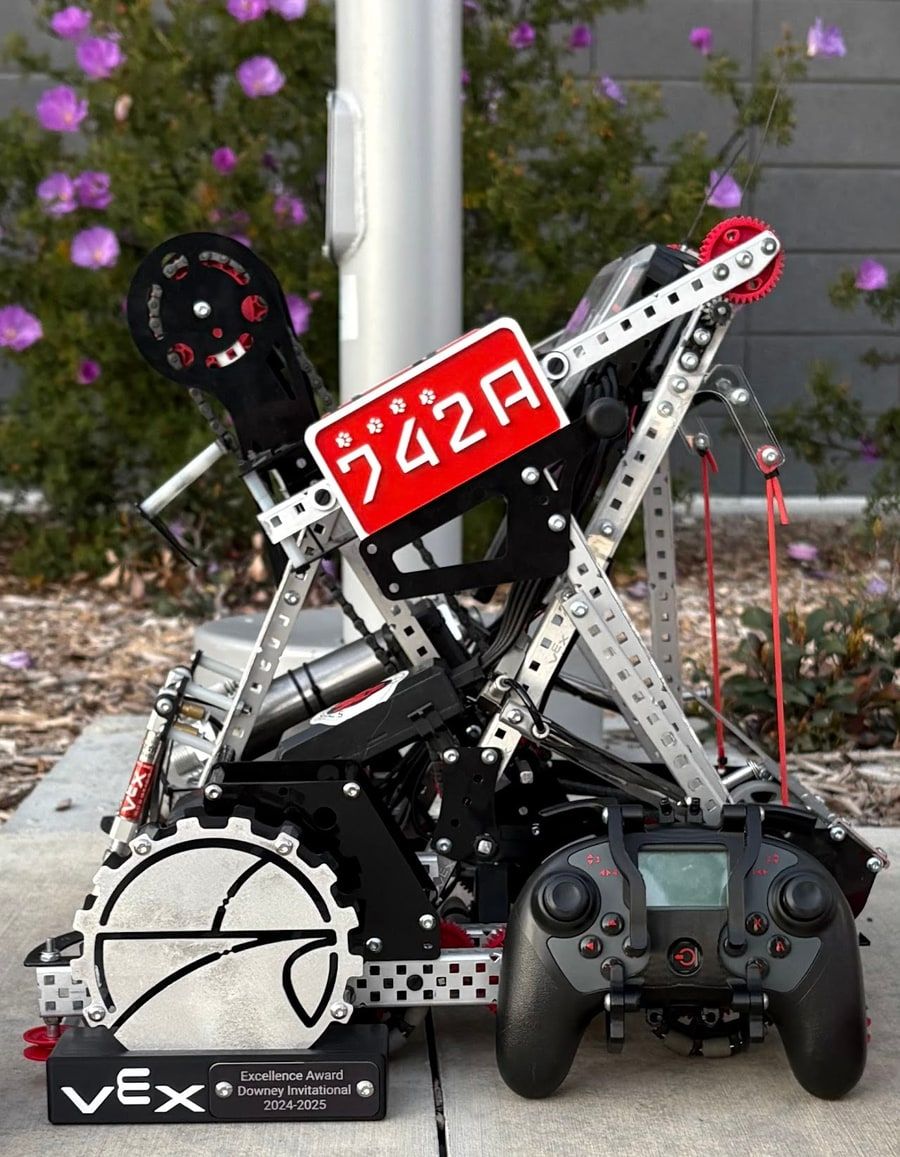
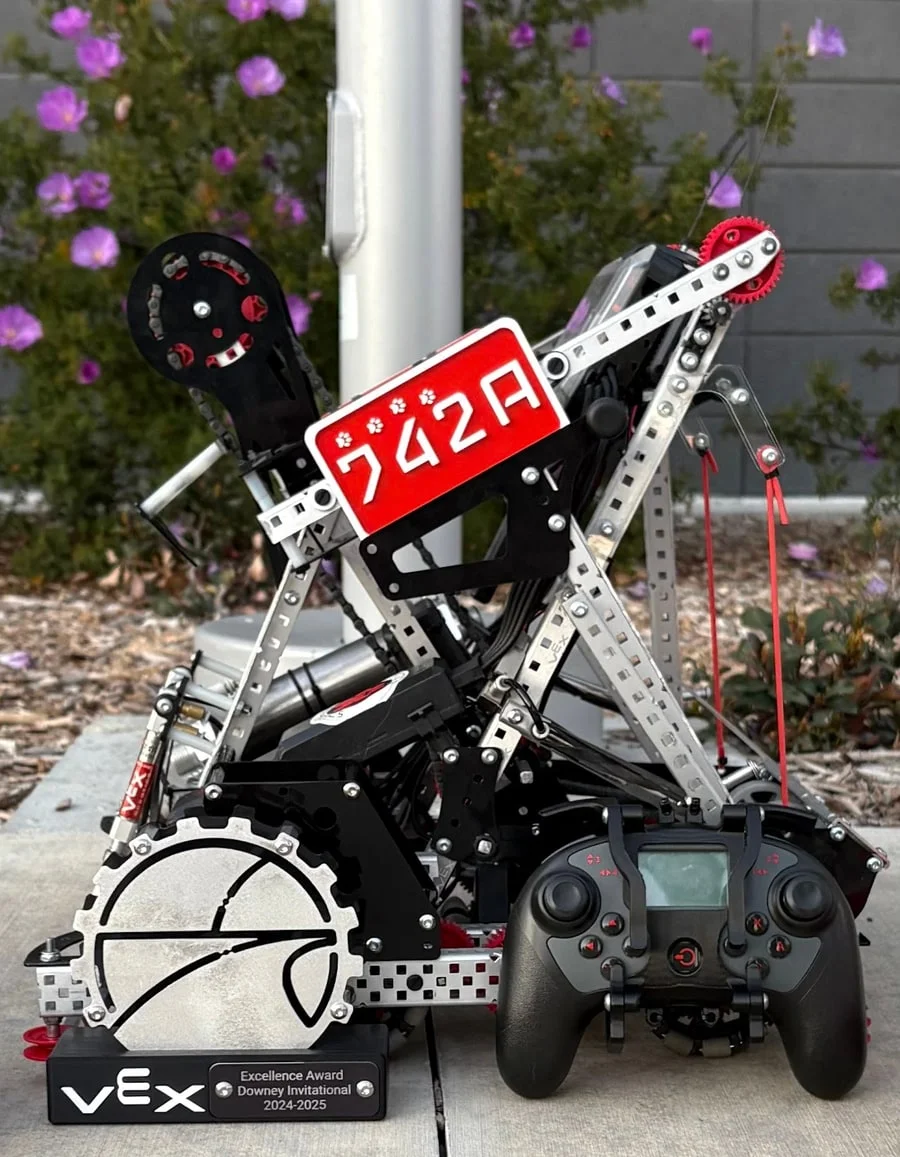
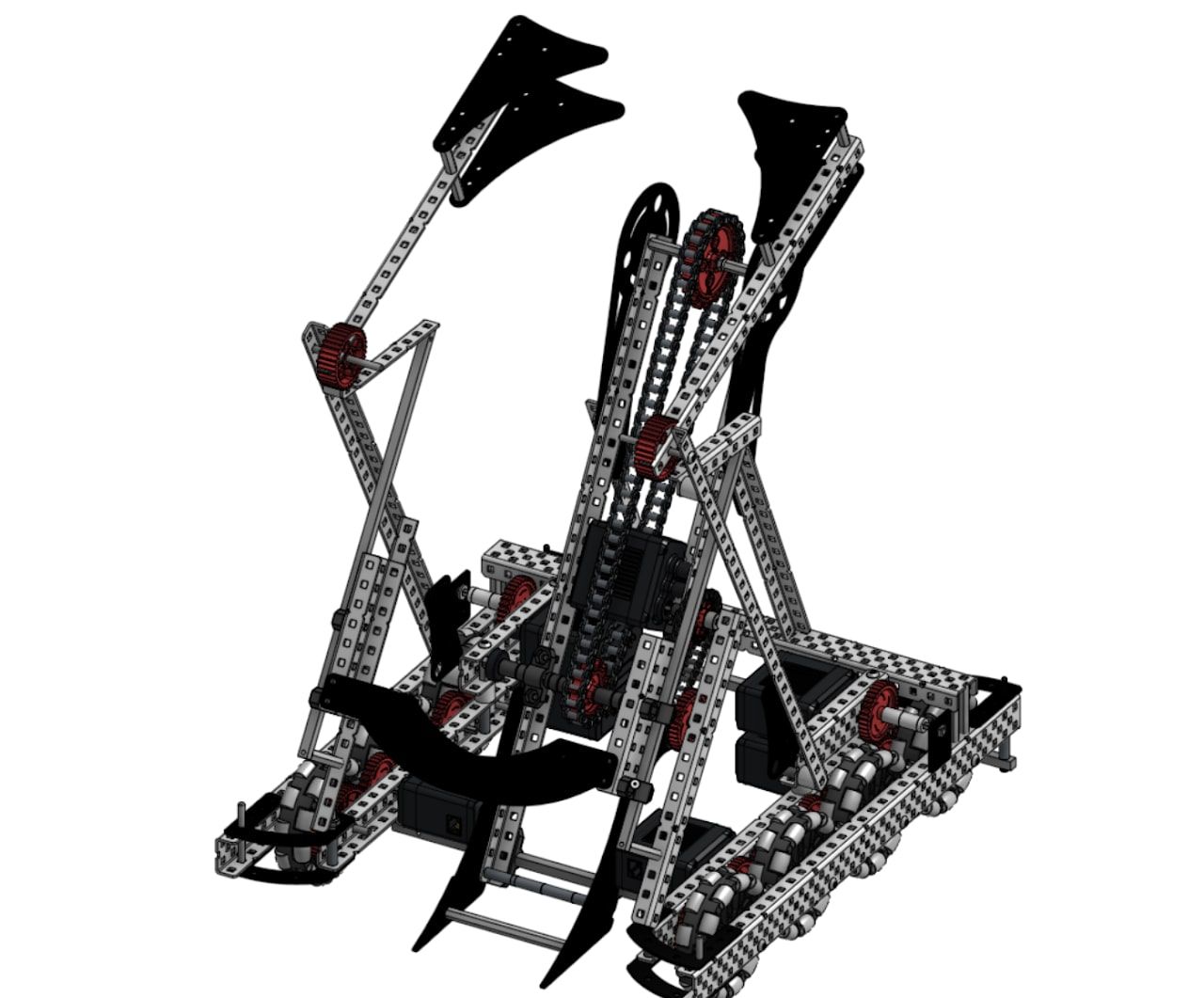
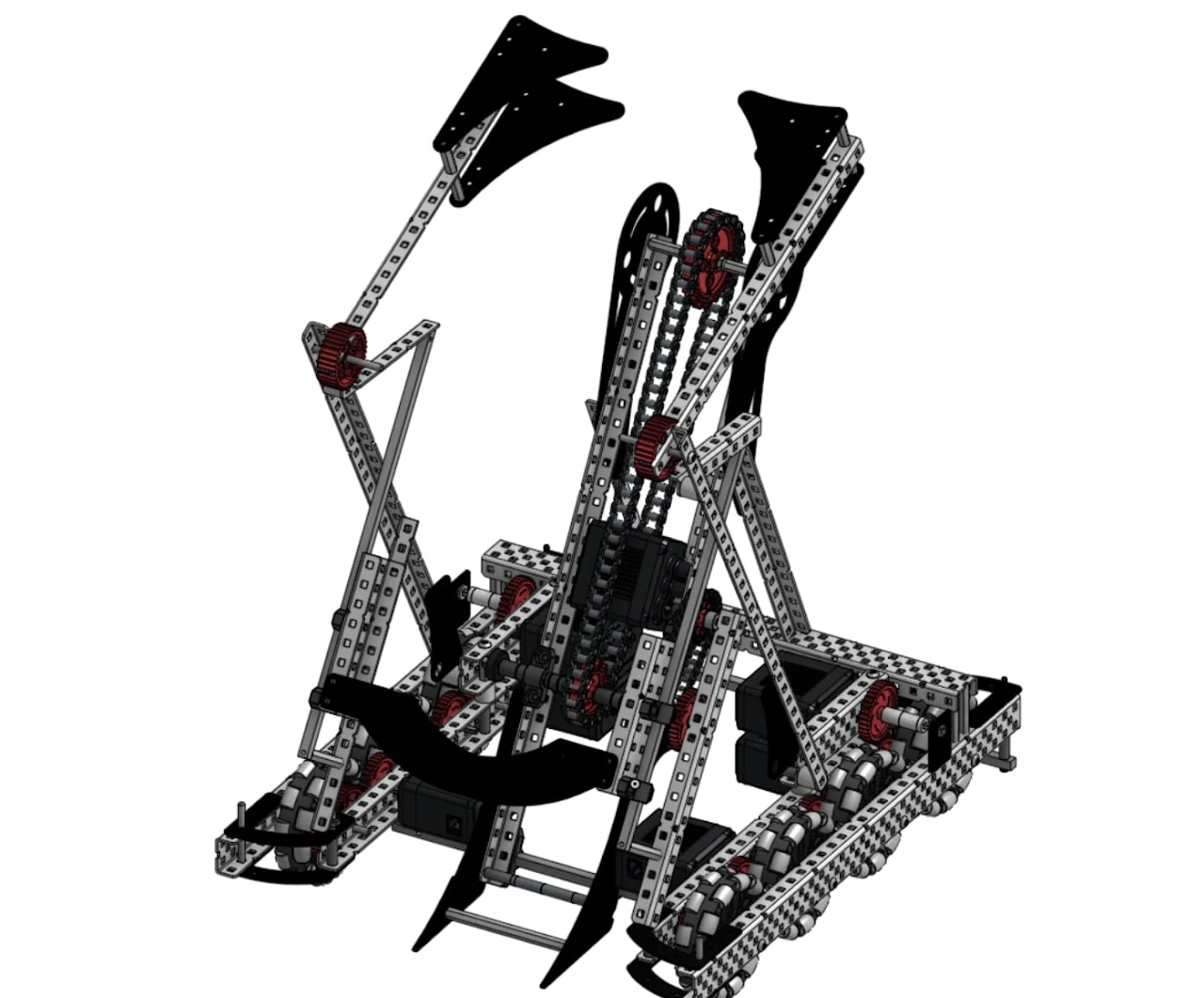
This was our robot for VEX High Stakes. It needed to move quickly, collect rings, and clamp mobile goals while fitting the starting envelope. I led the mechanical work with the team, from the initial layout through fabrication and revisions.
Working out the layout
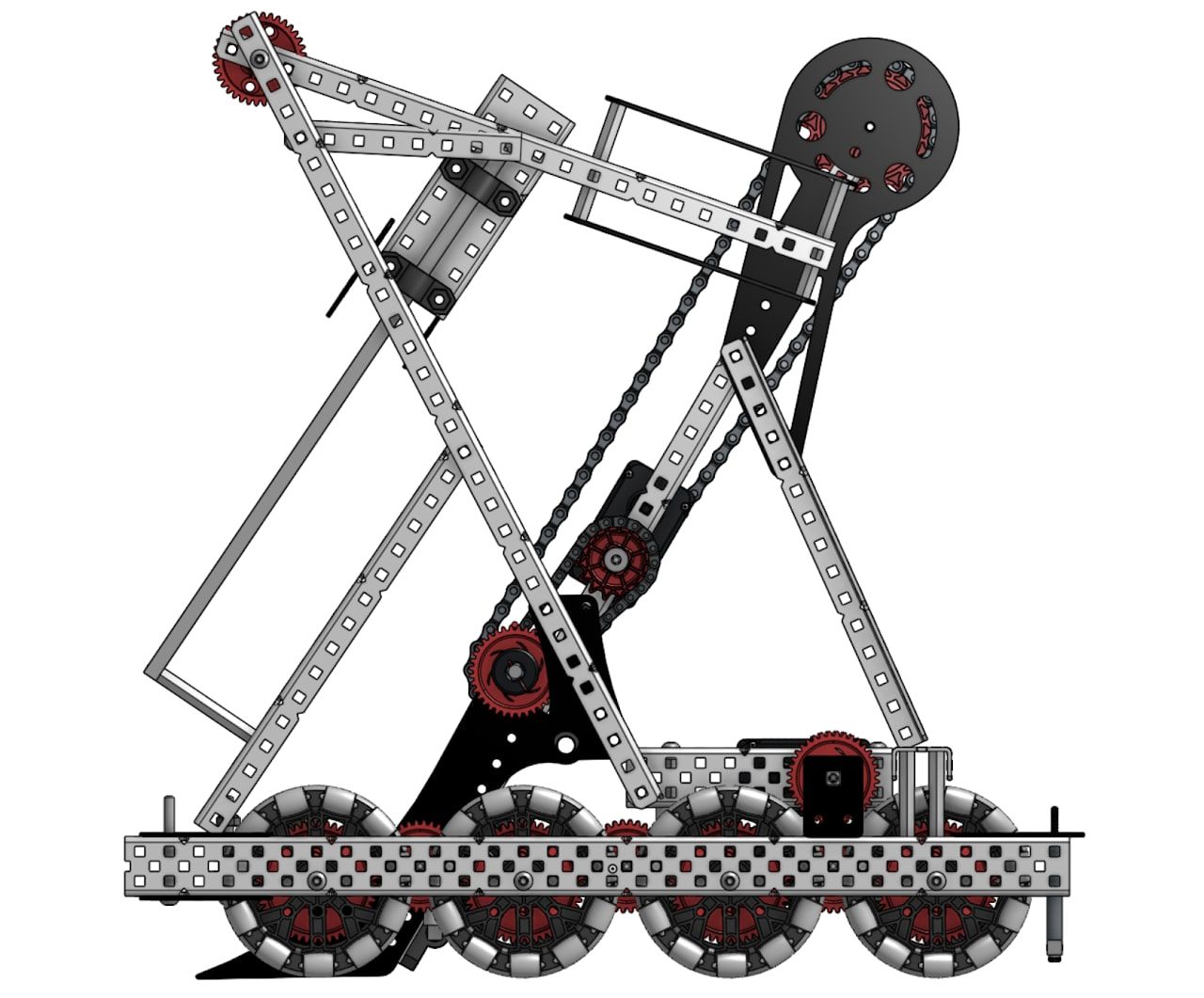
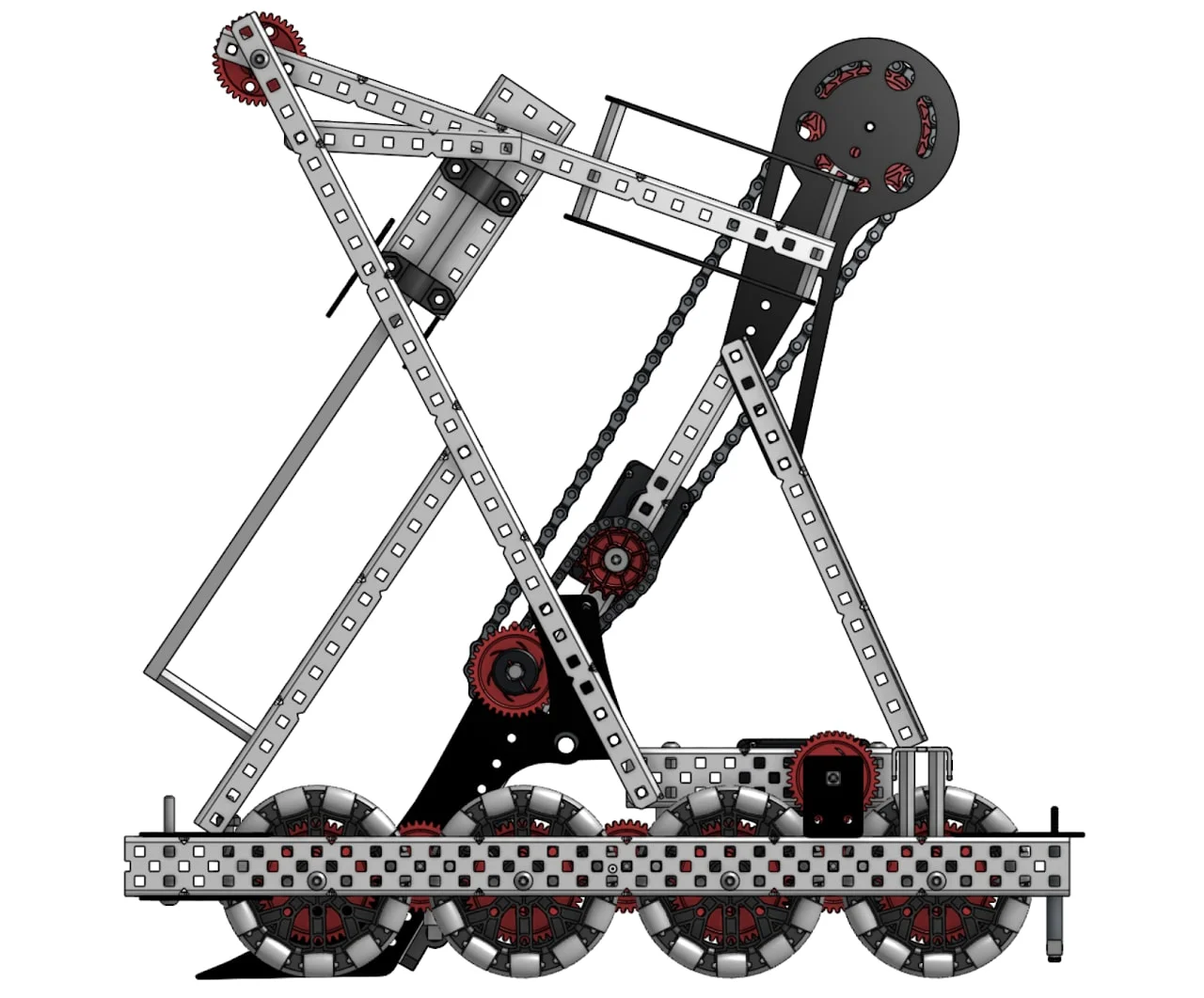
I used Onshape and Inventor to work through the chassis, clamp, and intake as one assembly. Motor placement, the ring path, and access to the electronics all affected each other. Getting those relationships right in CAD saved us from moving parts around after fabrication.
The intake used a pneumatic arm and driven rollers. I routed the chain along the arm’s pitch axis so the drive path stayed consistent as the arm moved. A POM skirt helped keep the mechanism from getting tangled.
Making it lighter and easier to build
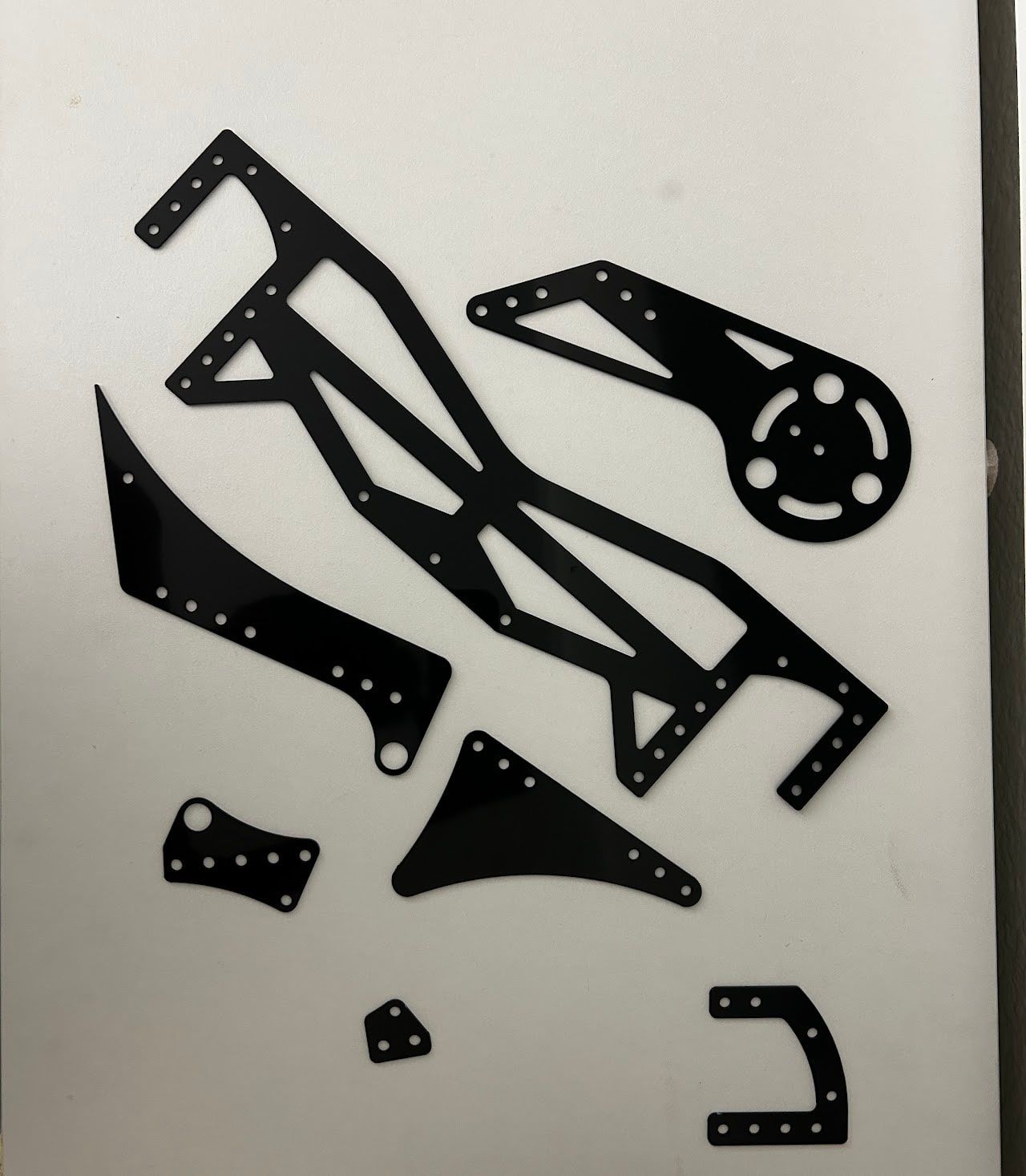
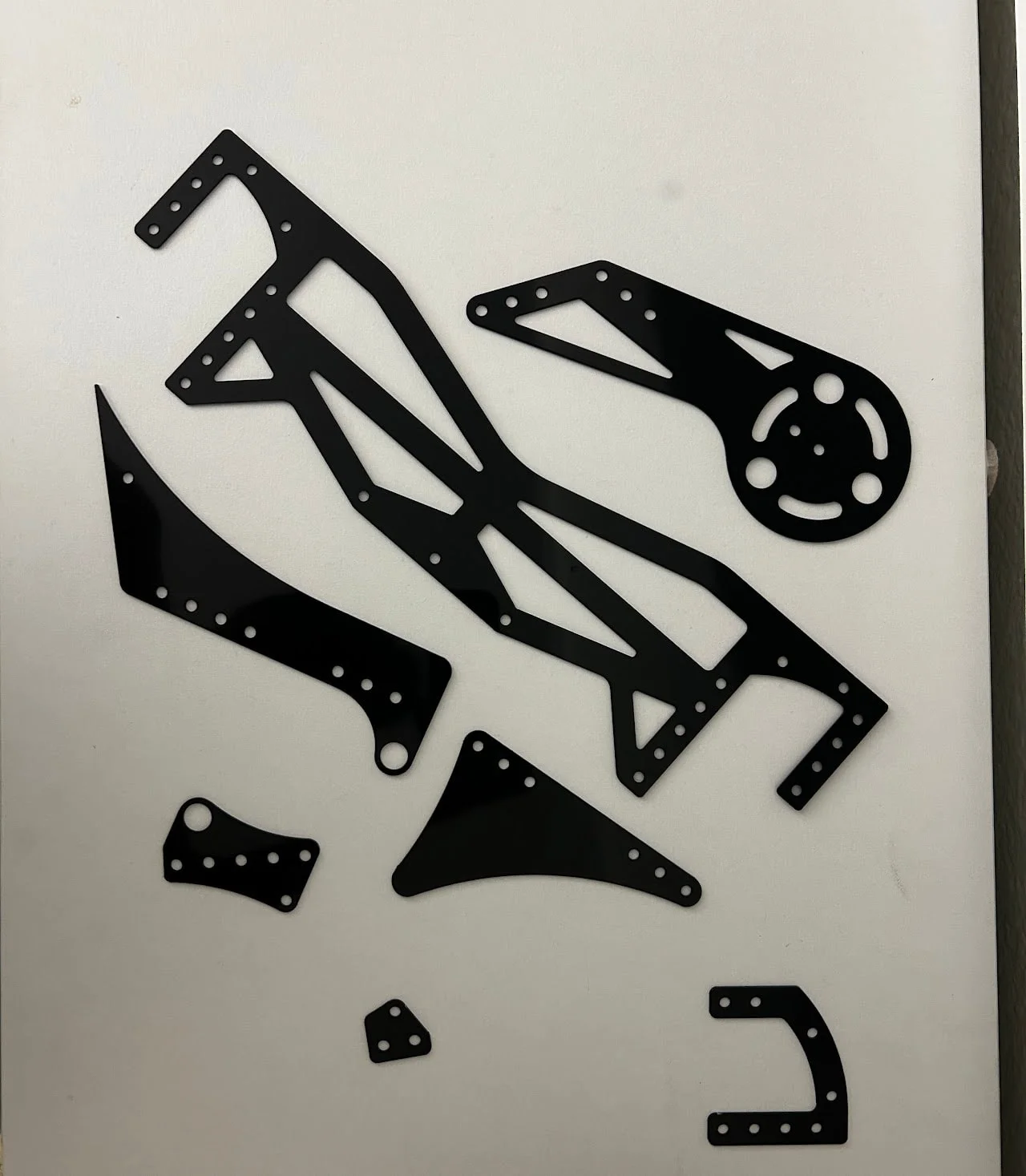
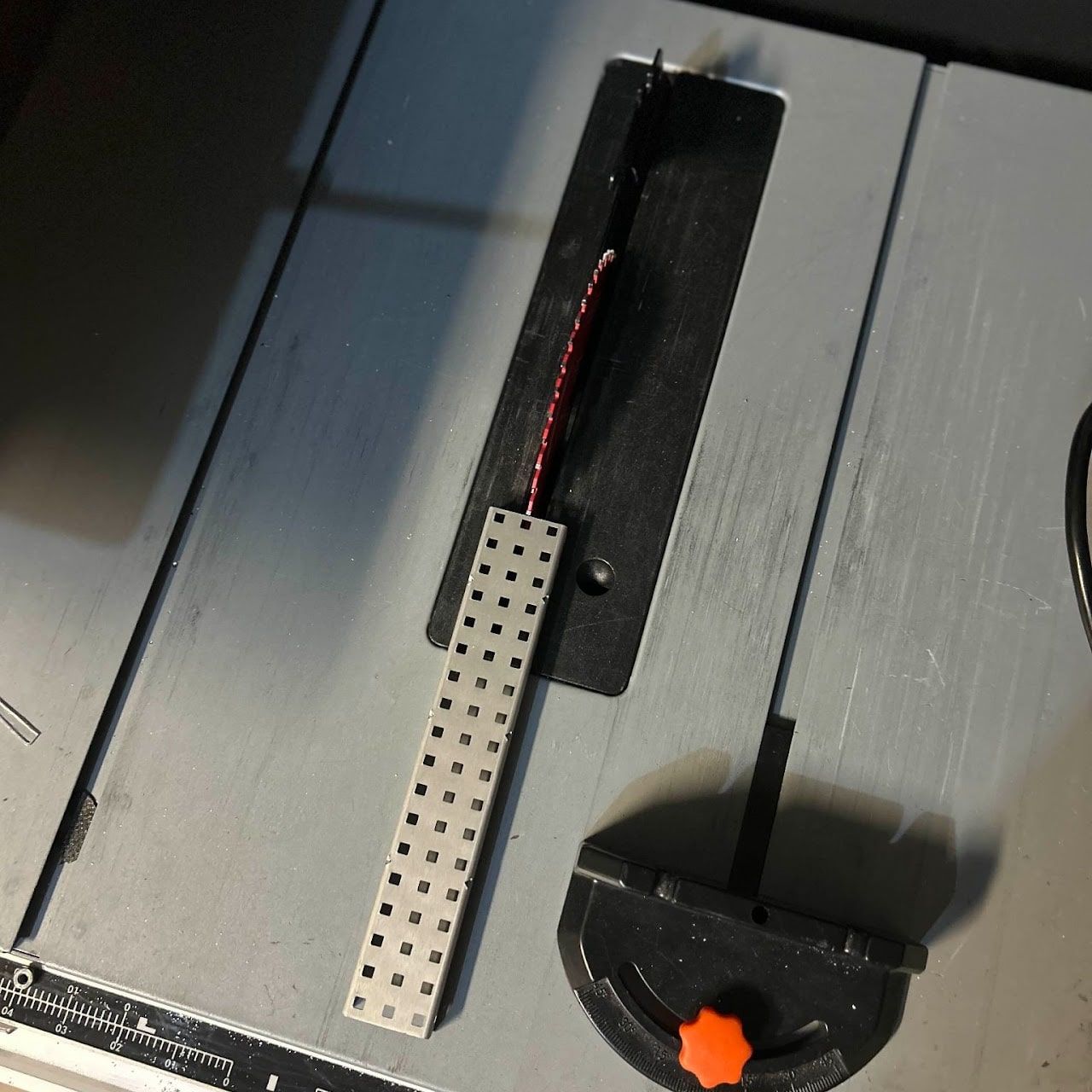
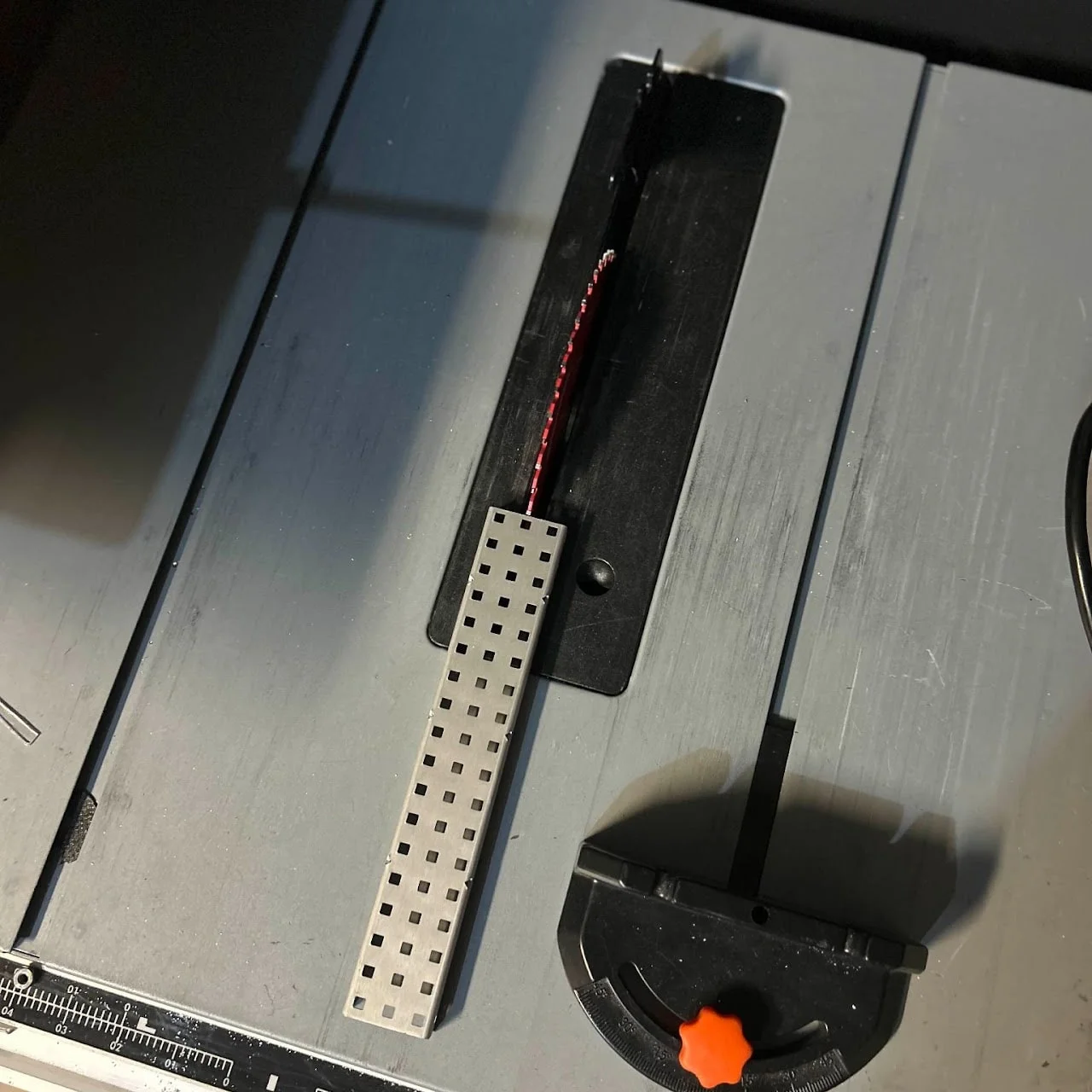
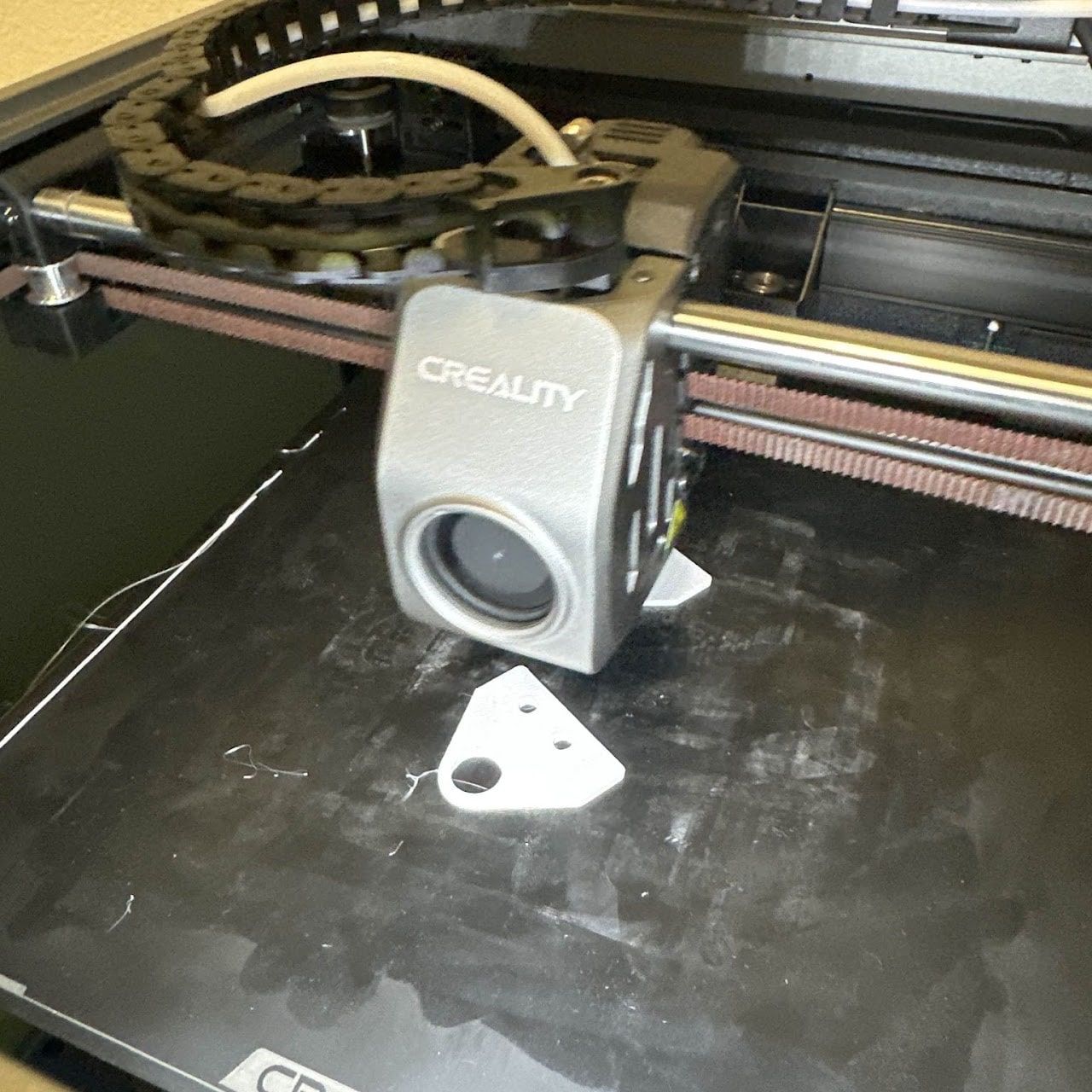
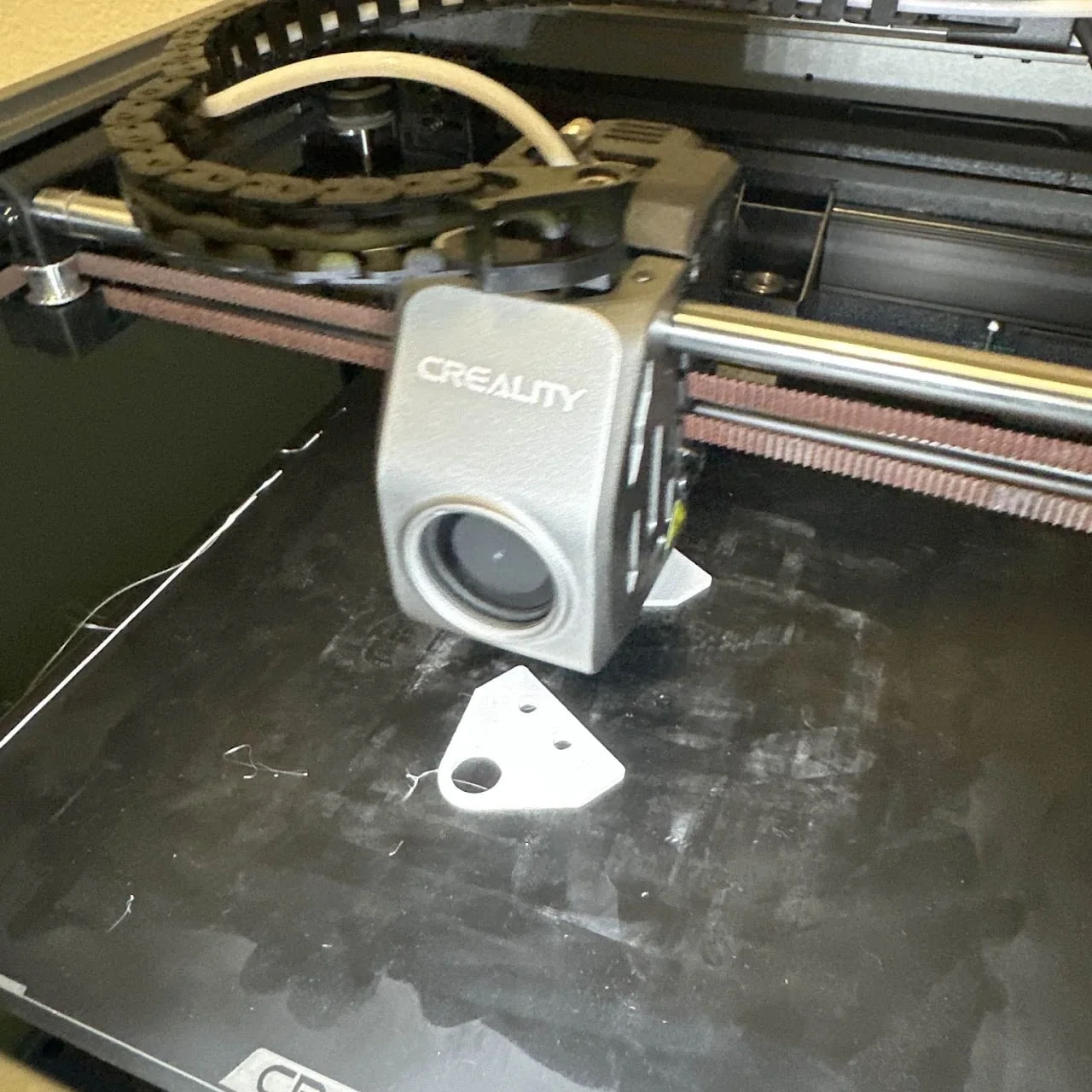
I used printed PLA parts for early checks, then moved repeatable structural parts to laser-cut POM. That let us make the same geometry again without relying on a lot of hand fitting. It also gave us a practical way to remove weight.
The gallery shows how the design moved from CAD to printed prototypes, fabricated parts, and the assembled robot.
Result
After three major revisions, the robot had 34 components, a 7 ft/s drivetrain, and 1.5 lb less mass. It fit below 18 × 18 × 15 inches.
A closer look
CAD, build photos, and technical details. Open any image for a closer look.
What I learned
Work out the interfaces early. A mechanism can work on its own and still be a problem once it has to share space with everything else.
Project context
The 1.5 lb reduction belongs to this robot. The seven-pound average weight reduction and 54% cost reduction describe the wider Perrybotics program.
Mechanical engineering, robotics, software, and applied AI internships